Proven in the Field
Science-backed biological technology tested under New Zealand growing conditions.
At AgroBioTechNZ, research is central to how we develop and validate our microbial technologies. Our products are evaluated through replicated field trials across a range of New Zealand cropping systems to measure their impact on crop performance, nutrient efficiency and yield.
Research Built Around Commercial Agriculture
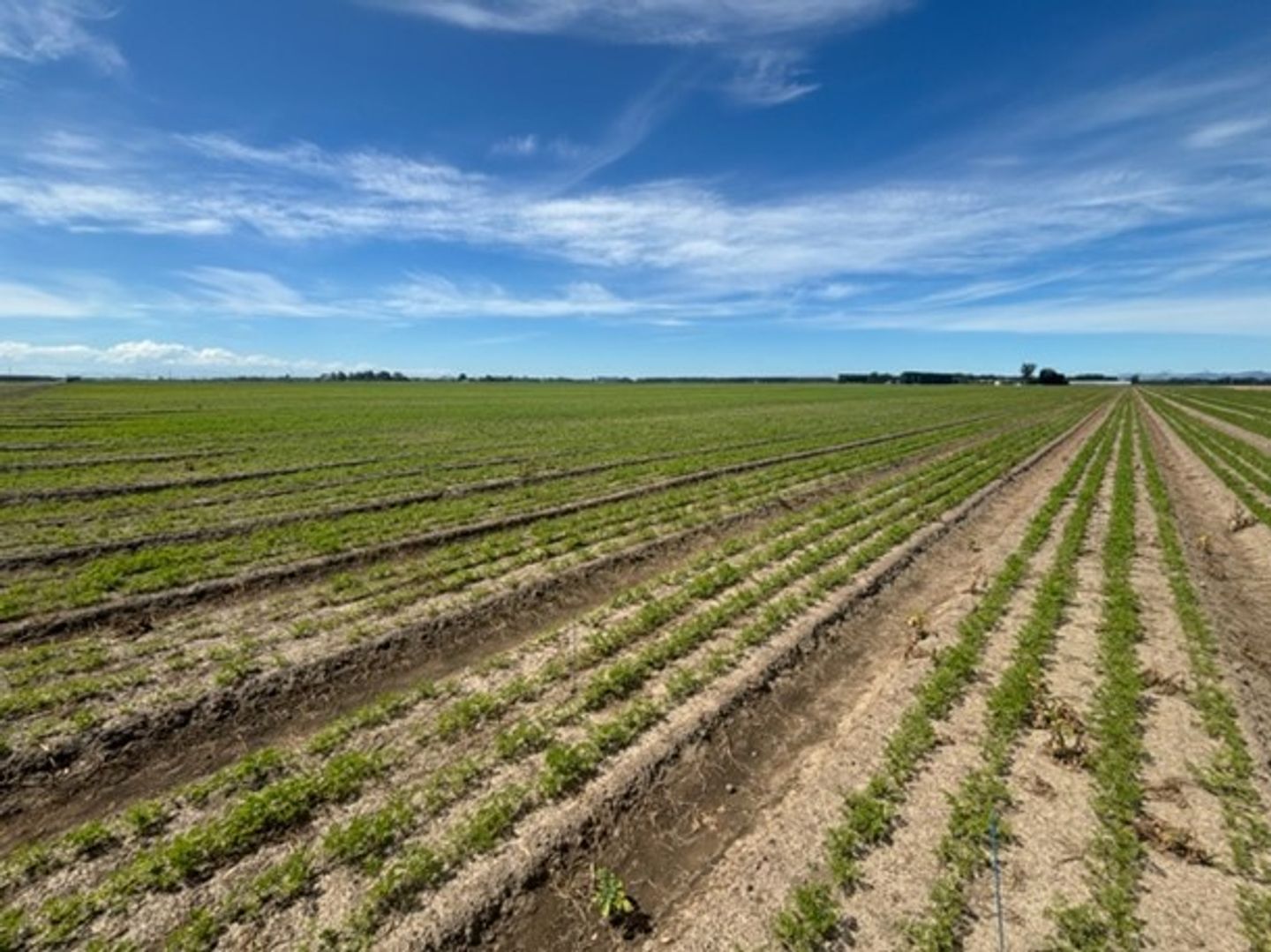 Our focus is simple: biological products need to perform in the field.
AgroBioTechNZ undertakes replicated trials across commercial New Zealand cropping systems to evaluate our microbial technologies under real growing conditions.
Trials assess measurable agronomic outcomes including:
- Crop yield
- Plant growth and establishment
- Root development
- Nutrient availability and utilisation
- Crop quality
- Biological performance
Where appropriate, trials include untreated controls, replicated treatments, independent assessment and statistical analysis.
This field-led research programme allows us to continually refine our microbial strains, formulations and application strategies while building a growing body of evidence for biological technology in New Zealand agriculture.
Fodder Beet — AgroAzzo
Significant Yield Improvement
Independent replicated field research conducted by PastureFirst showed AgroAzzo increased fodder beet yield by 3.5 t DM/ha, with significant improvements in total, bulb and top yield.
View Trial →

Oats — AgroComplex
28% Higher Yield
A replicated Canterbury field trial recorded 16.9 t/ha with AgroComplex compared with 13.2 t/ha in the untreated control, a statistically significant yield increase.
View Trial →

Carrots — Microbial Inoculants
Up to 19.8% Higher Yield
Across a six-replicate Canterbury carrot trial, all AgroBioTechNZ treatments numerically outperformed the untreated control, with AgroPhos producing the largest increase at +19.8%. The overall treatment effect was not statistically significant (p = 0.124), so I'd be careful to present this as a promising field result rather than “proven”.
View Trial →

Potatoes - AgroComplex
15% greater total weight.
In this replicated field trial AgroBiotechNZ treatments gave an average 15% increase in yield weights.
View Trial →